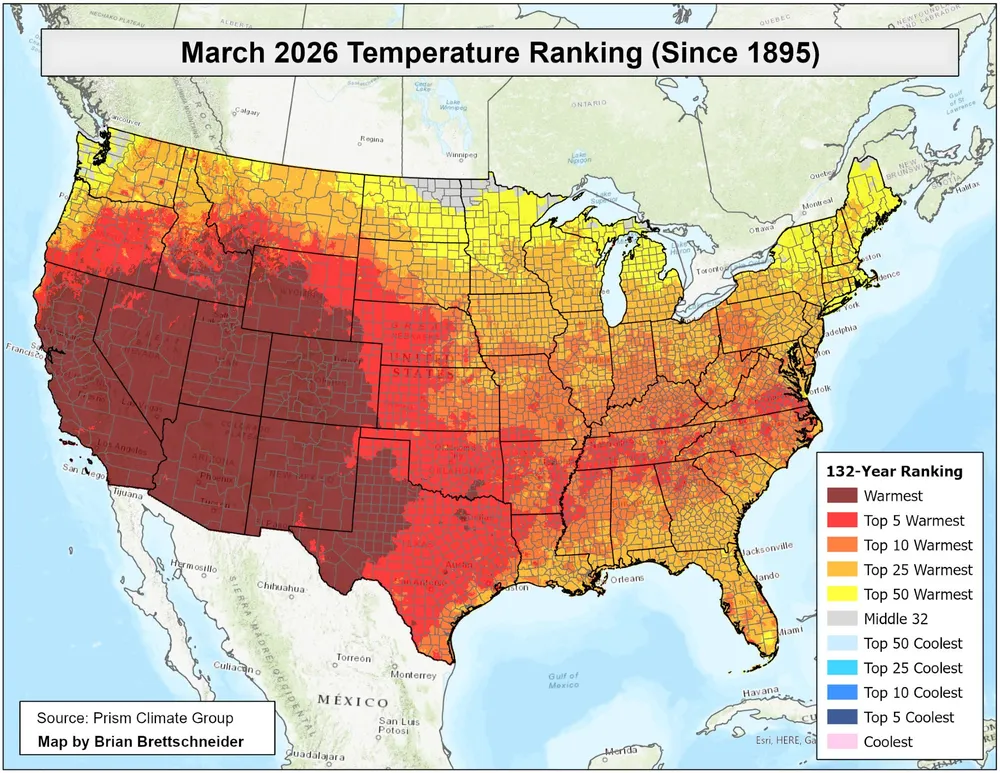




Natural disasters are dangerous occurrences that happen in environments without human intervention, and citizens have faced a historic heat wave in the western areas that have many scientists confused about. Many believe climate change which causes greenhouse gas emissions to trap the sun’s heat causing blazing hot days from the middle of march to the end. But many citizens don’t realize the danger of these intense natural disasters, in some areas rare occurrences happen where it’s so hot sweat evaporates off the human body causing dehydration.
“Some heat waves happen naturally, but climate change is increasing how often and how intense they are,” stated Bella Shae, a junior.
Many are excited for summer with 80–90-degree weather, however the weather on the western coast will be receiving 20-30 degrees higher than normal. Also, experiencing a “heat- dome” driving strong, slow-moving high-pressure system trapping hot and dry air over the region. This heat caused rapid evaporation on human sweat, which is our only way of cooling off to evaporate, causing heat stroke and dehydration. Therefore, hospitals state increased cases of heated related illnesses, including fatigue, dehydration, and strokes. Governments created weather warnings and cooling stations for the homeless.
Sweat is the key to cooling off on a hot day, however if we don’t produce sweat our lives would be way more complicated. Possibility of multiple medical conditions can occur if we have no way to cool off. Meteorologist state that high pressure systems trap heat, making it impossible for cooler air to circulate. Also stating that global warming is making things worse, making the intensity of the heat waves even more critical. Researchers have aligned and compared present heat waves with previous long lasting weather events. With surveys showing extreme weather occurrences due to climate change.
Locals are struggling with this new lifestyle of hotter days which can lead to citizens being unhappy and stressed. Families are having to pay more money because of the increase in use of air conditioning, leaving citizens totally outraged. To add on, citizens in and out of the house are at risk of safety issues making outdoor jobs almost impossible. Agriculture also being difficult due to droughts and heat stress on animals, causing economies to lose money. Officials are also planning on making different infrastructure using certain materials that attract heat less, so buildings and bridges don’t get damaged by the intense heat. City officials are also recommending cool roofs on building for officer workers and cool pavement to attract less heat for future safety of citizens.
Humans normally need about a week or so to acclimatize or get used to a spike in weather however a sudden change in temperature could lead to being more vulnerable to getting sick. Citizens have been reporting that sickness rates have been higher due to the heat causing people to avoid going outside for long periods of time. The has been so intense locals are adjusting their schedule to only working out in the morning making it suitable to go for a jog until the heat starts to rise throughout the day. Many trails in Arizona are closing because of the heat saving a citizen’s life from heat exhaustion. Locals claim the weather doesn’t typically get this hot until late may when summer arrives leaving many in shock.
While citizens are stuck inside avoiding heat sickness, scientists still raise the question of whether global warming is the issue. The heat wave showed how extreme weather is becoming more common every year. High temperatures affected citizens’ everyday lives, and how vulnerable cities can be during sudden climate events. As these heat waves become more popular, it is important for governments and cities to become more concerned about the public’s health.
“They can create cooling centers, plant more trees, improve heat warning systems, and plan cities to stay cooler,” stated Jeremy Garriga, a freshman.